Wehlener ObstArtWeg at the Moselle

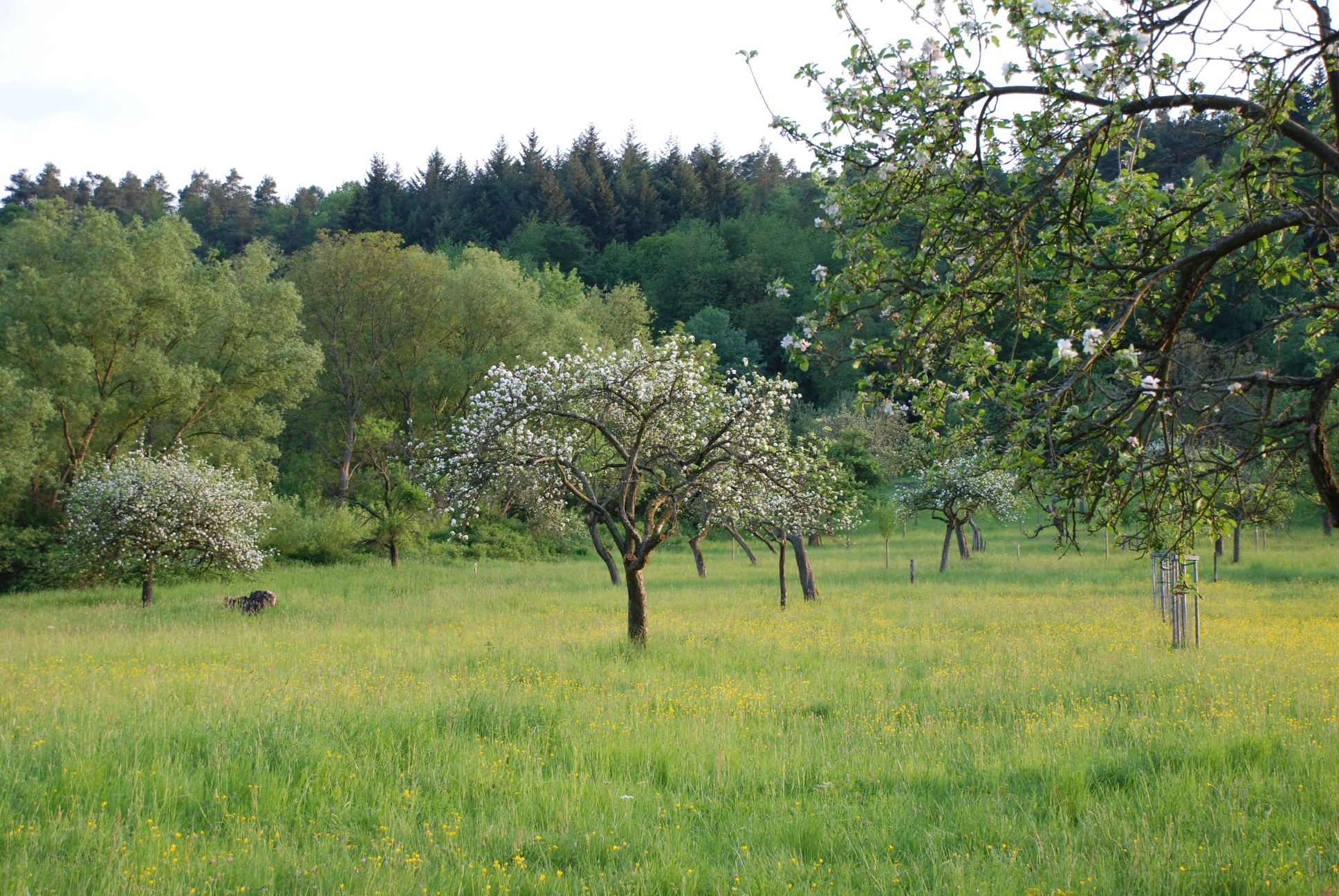
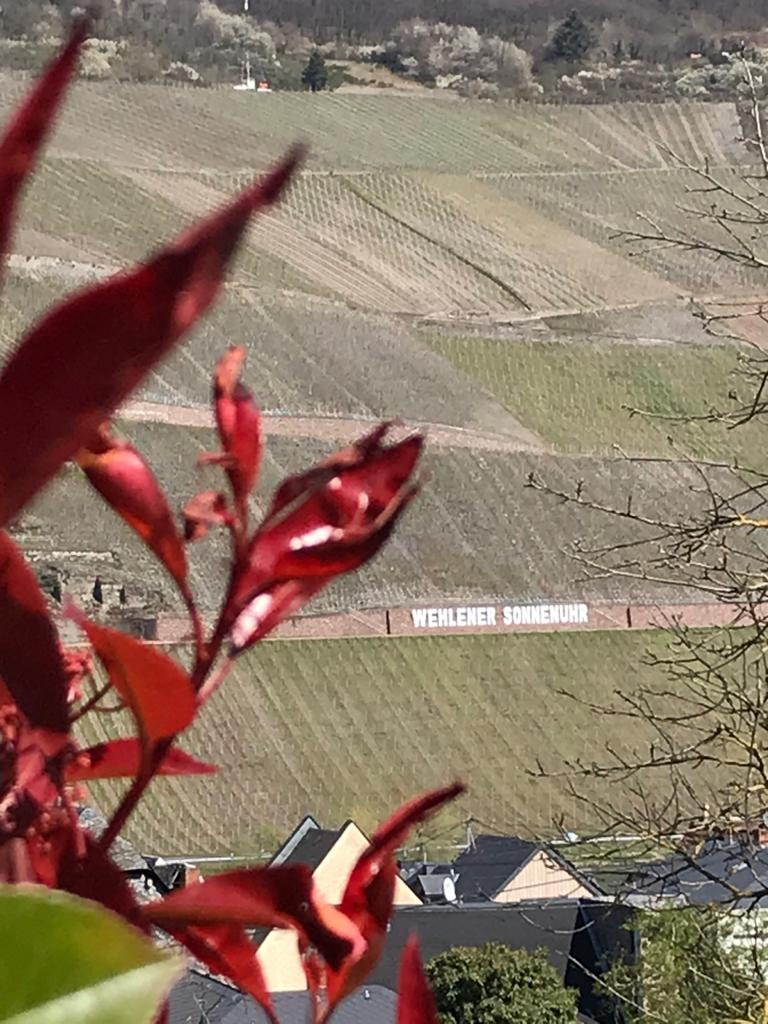
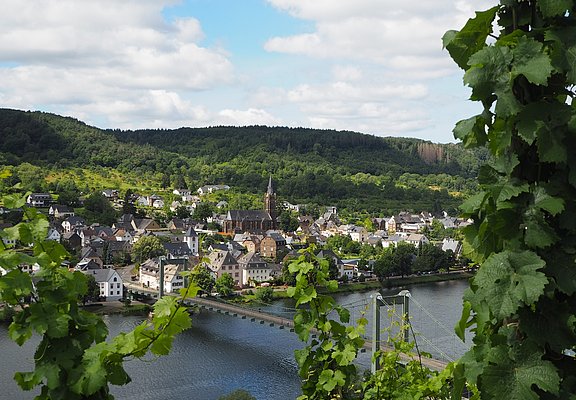
The Wehlen orchards are, like the famous Wehlen vineyards on the opposite bank of the Moselle, a cultural landscape that has been shaped and cultivated since time immemorial.

Route information

Route length : 3,5 km

Difficulty : easy

Hiking time : 2:00 h

Ascent : 93.68 m

Descent : 82.81 m

Start Point : Town centre of Wehlen

End Point : Town centre of Wehlen

Directions

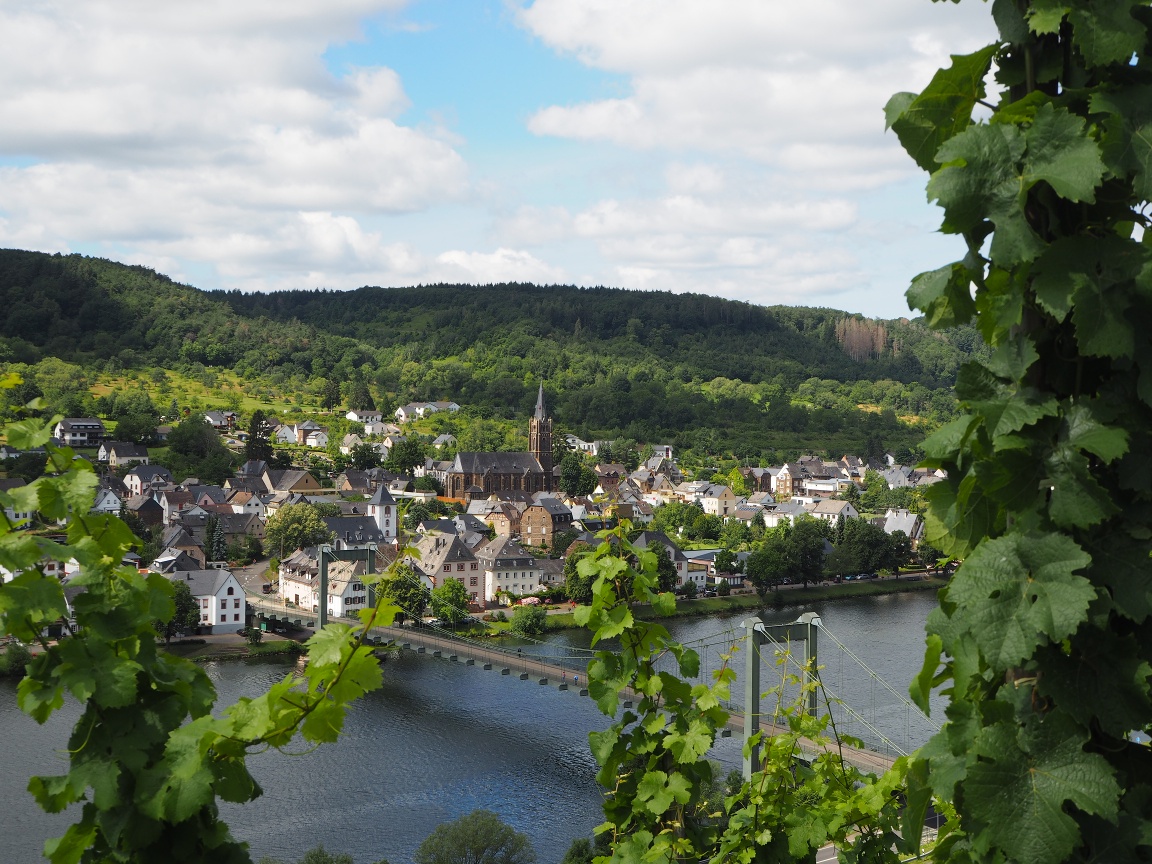
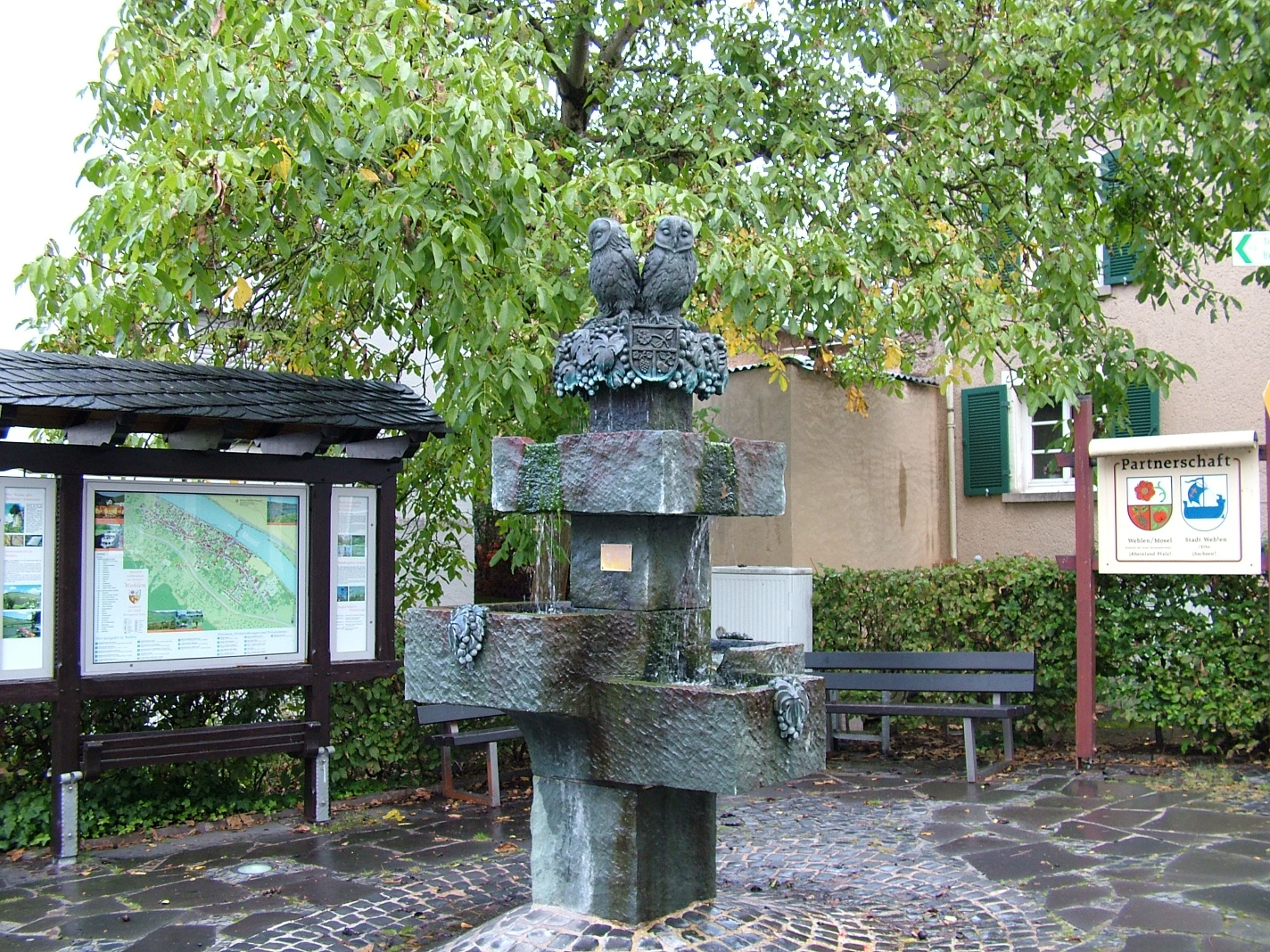
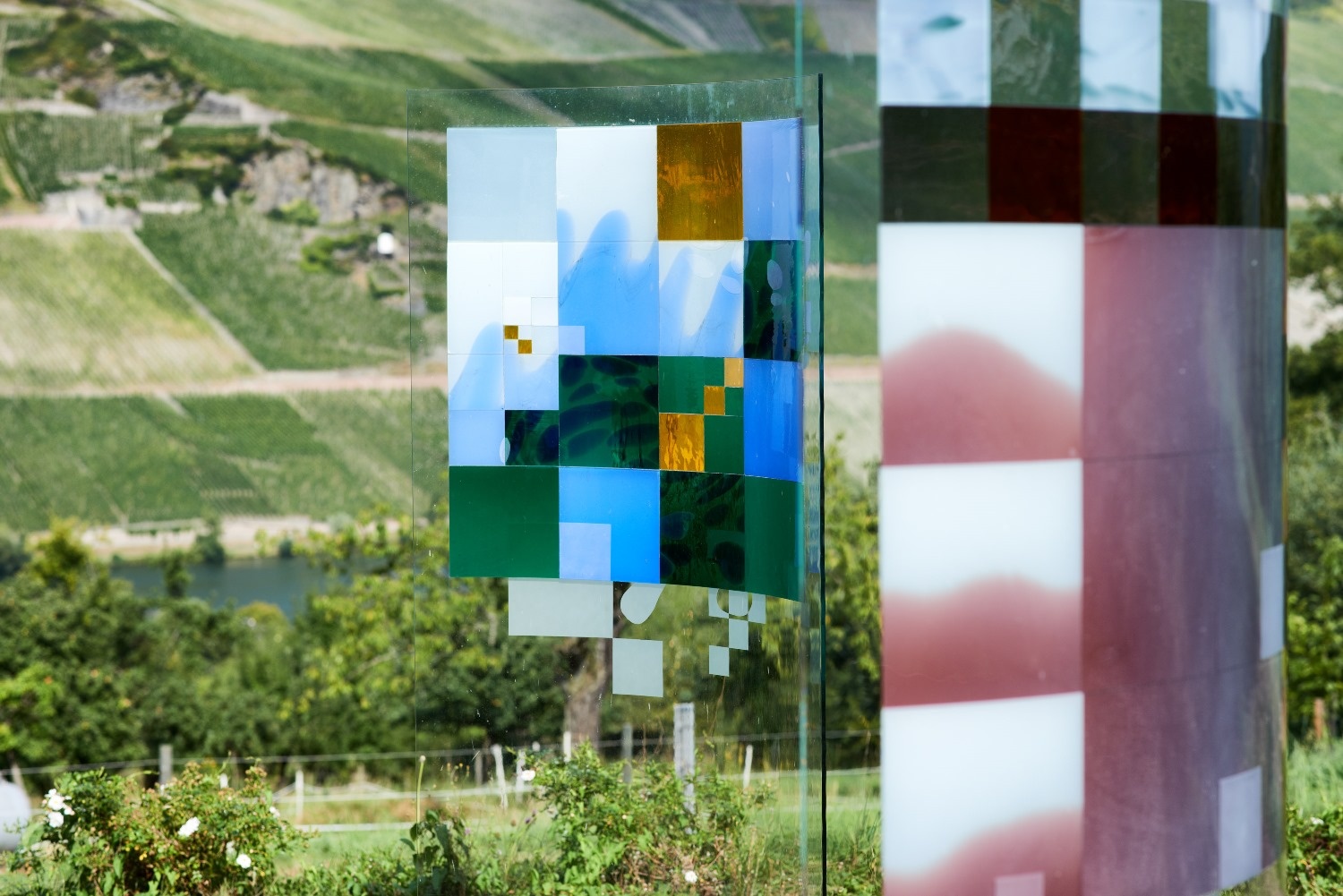
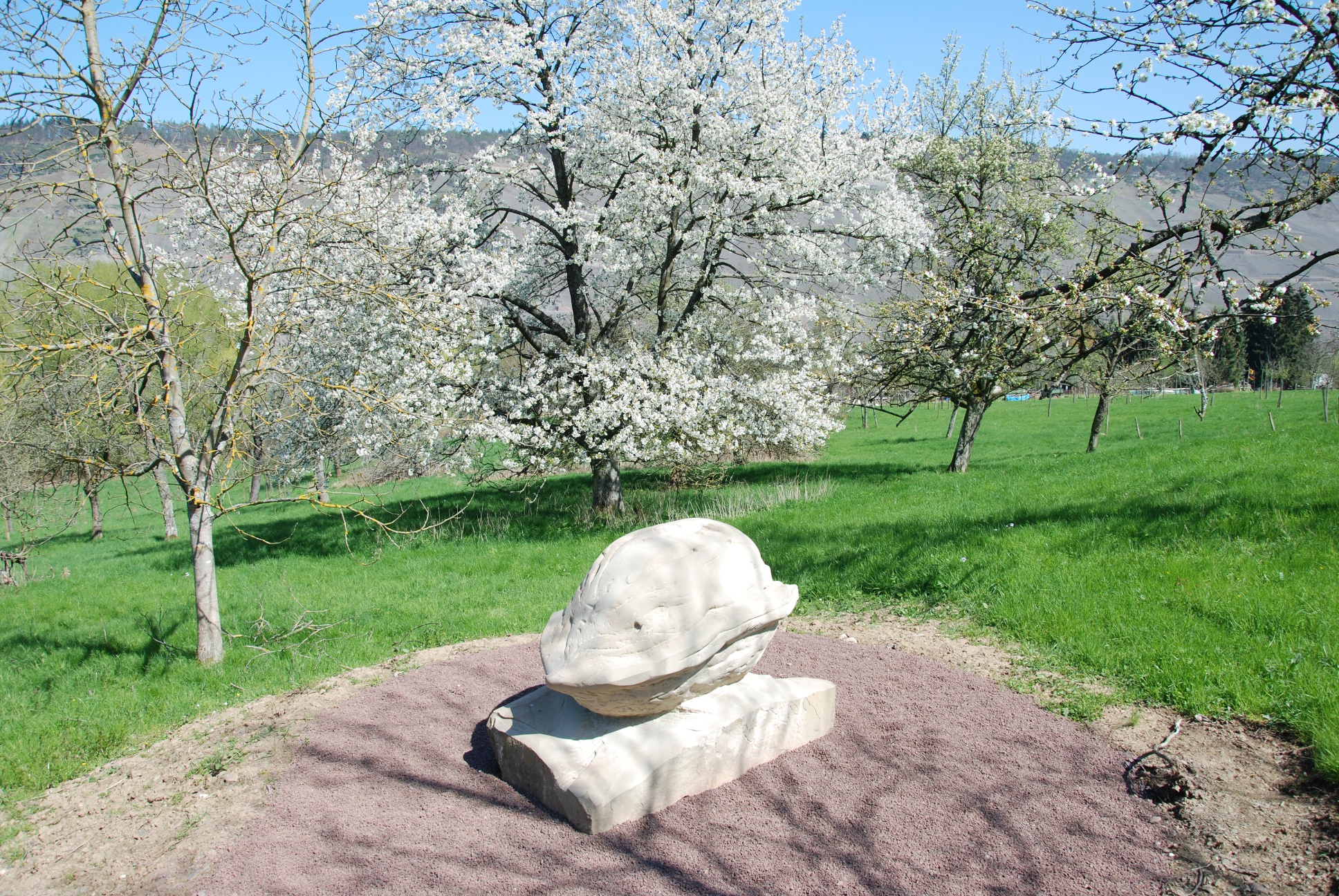
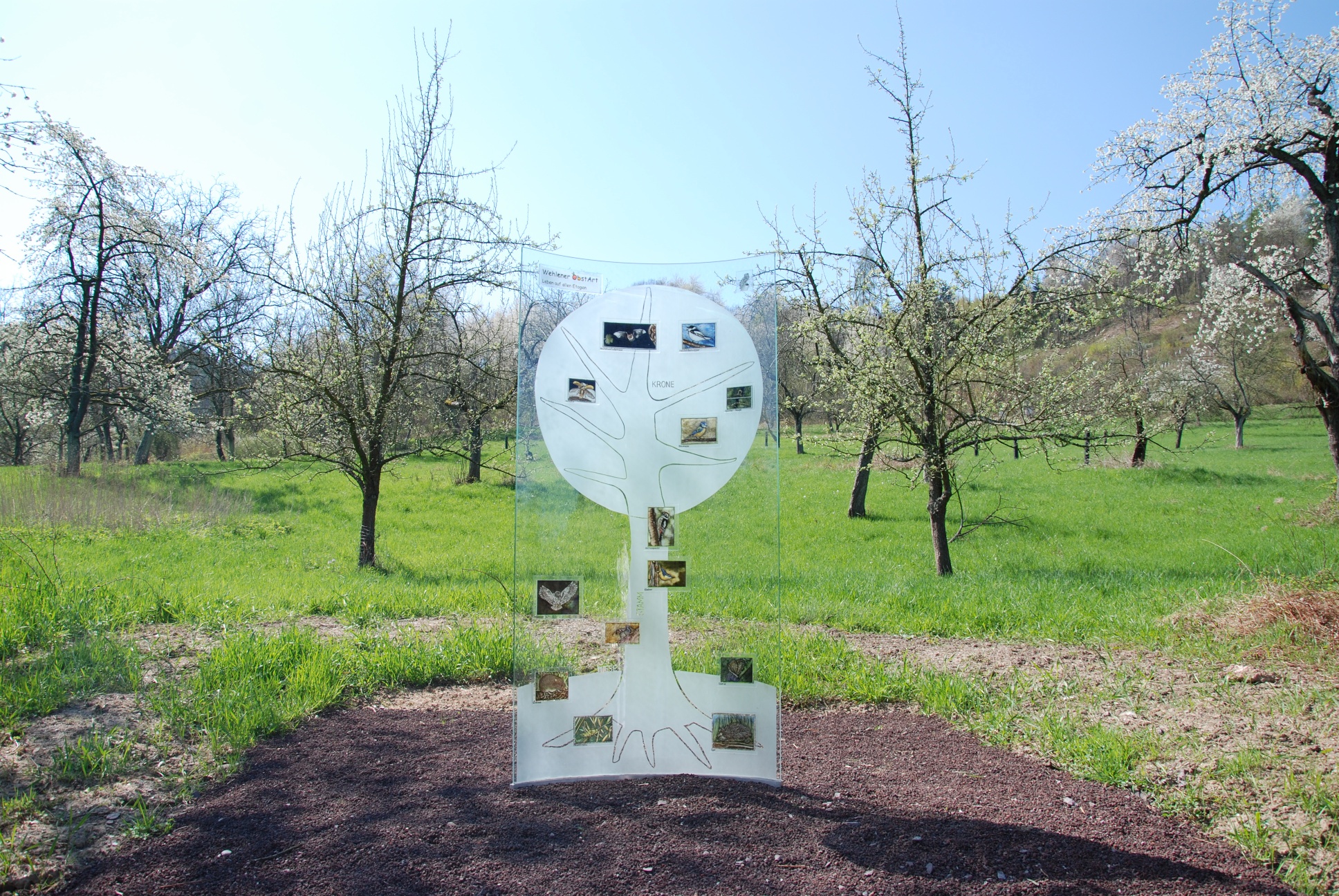
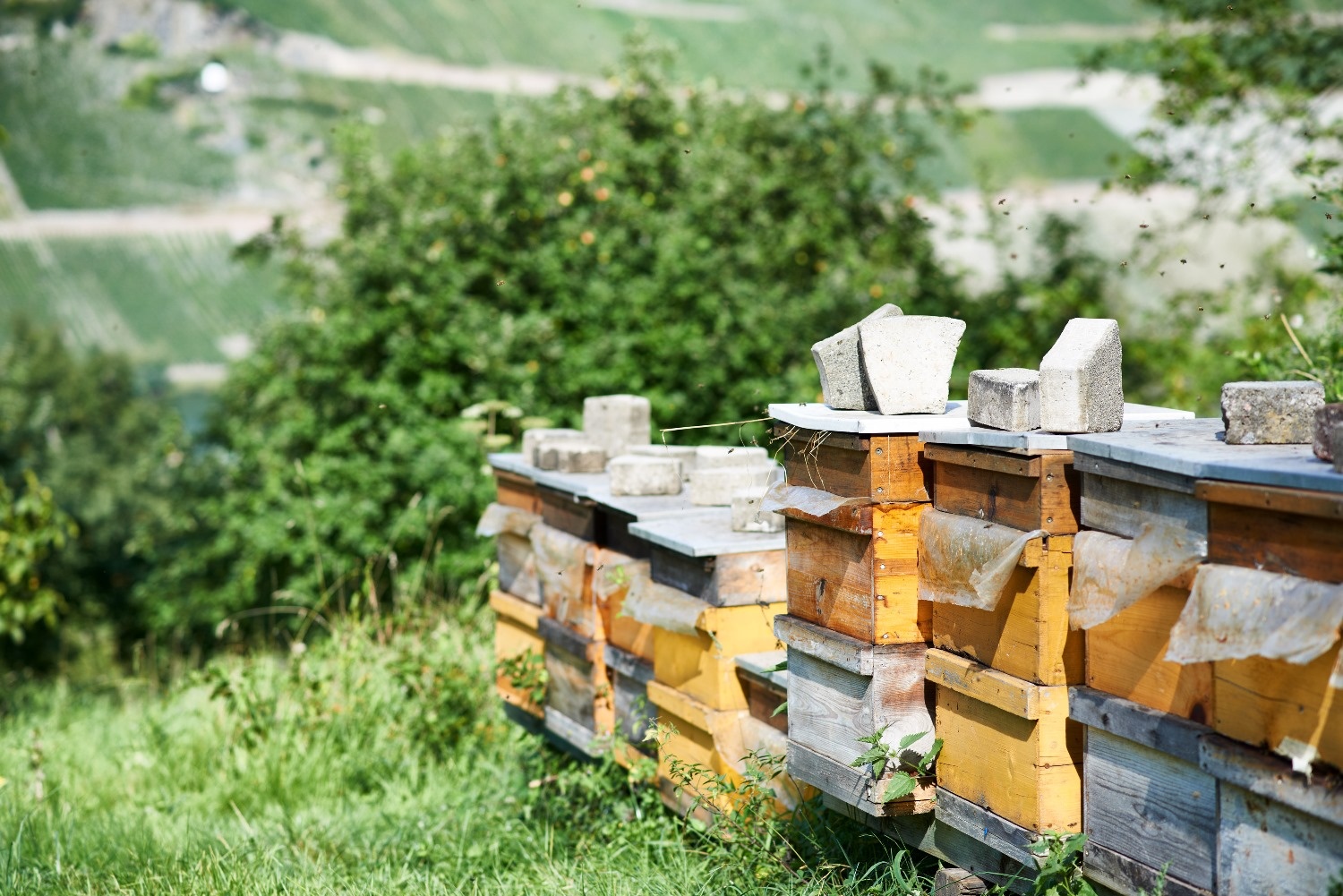
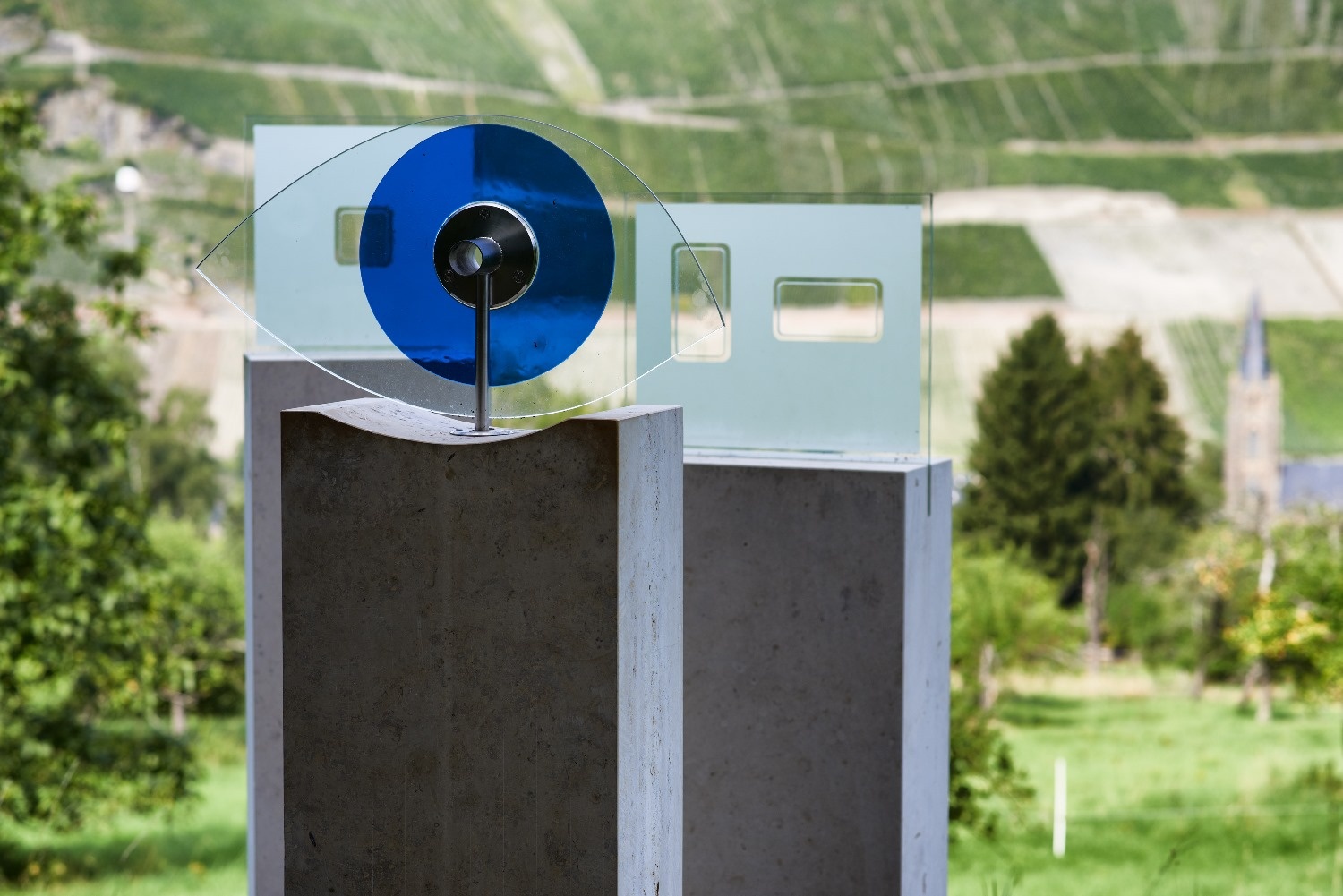
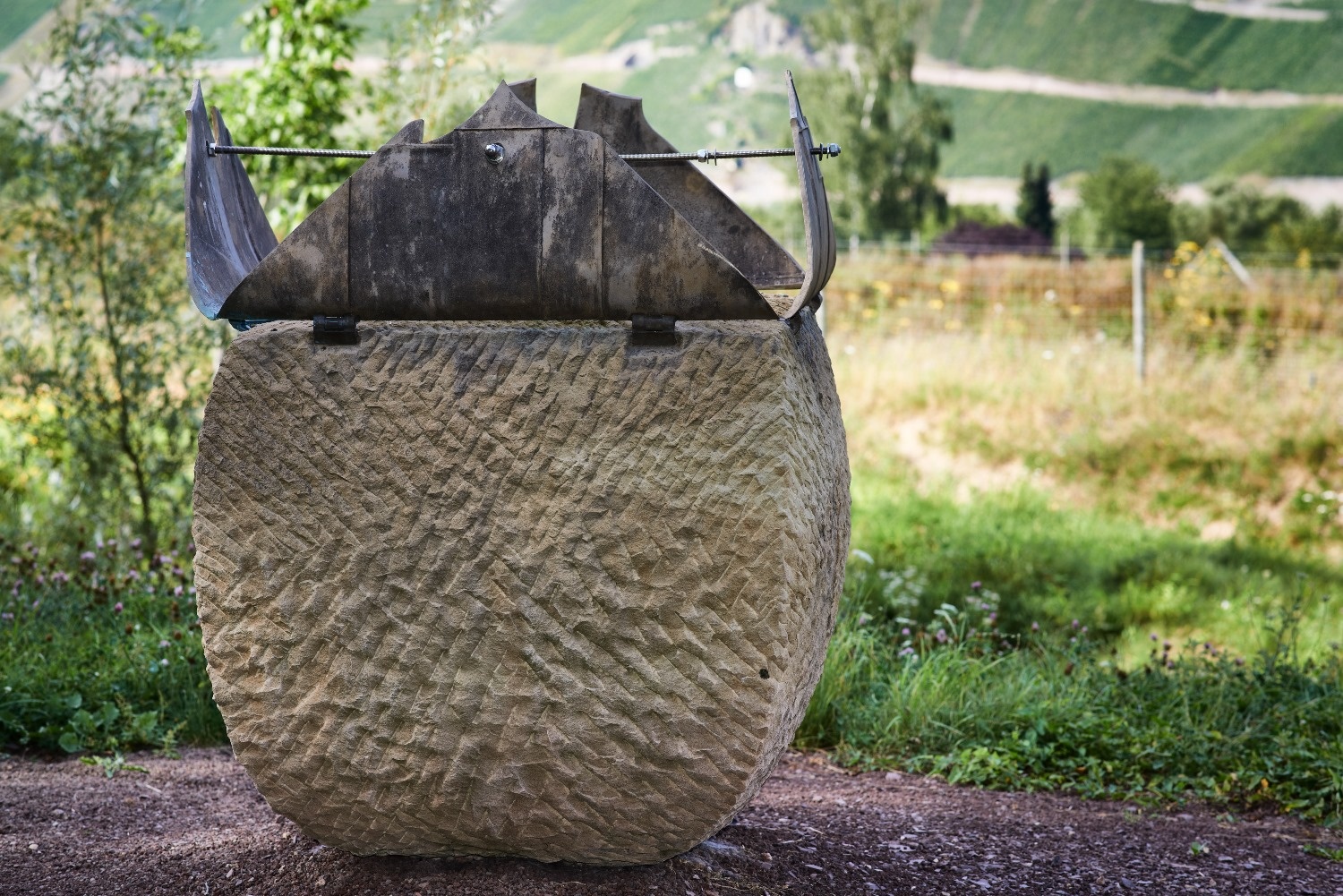
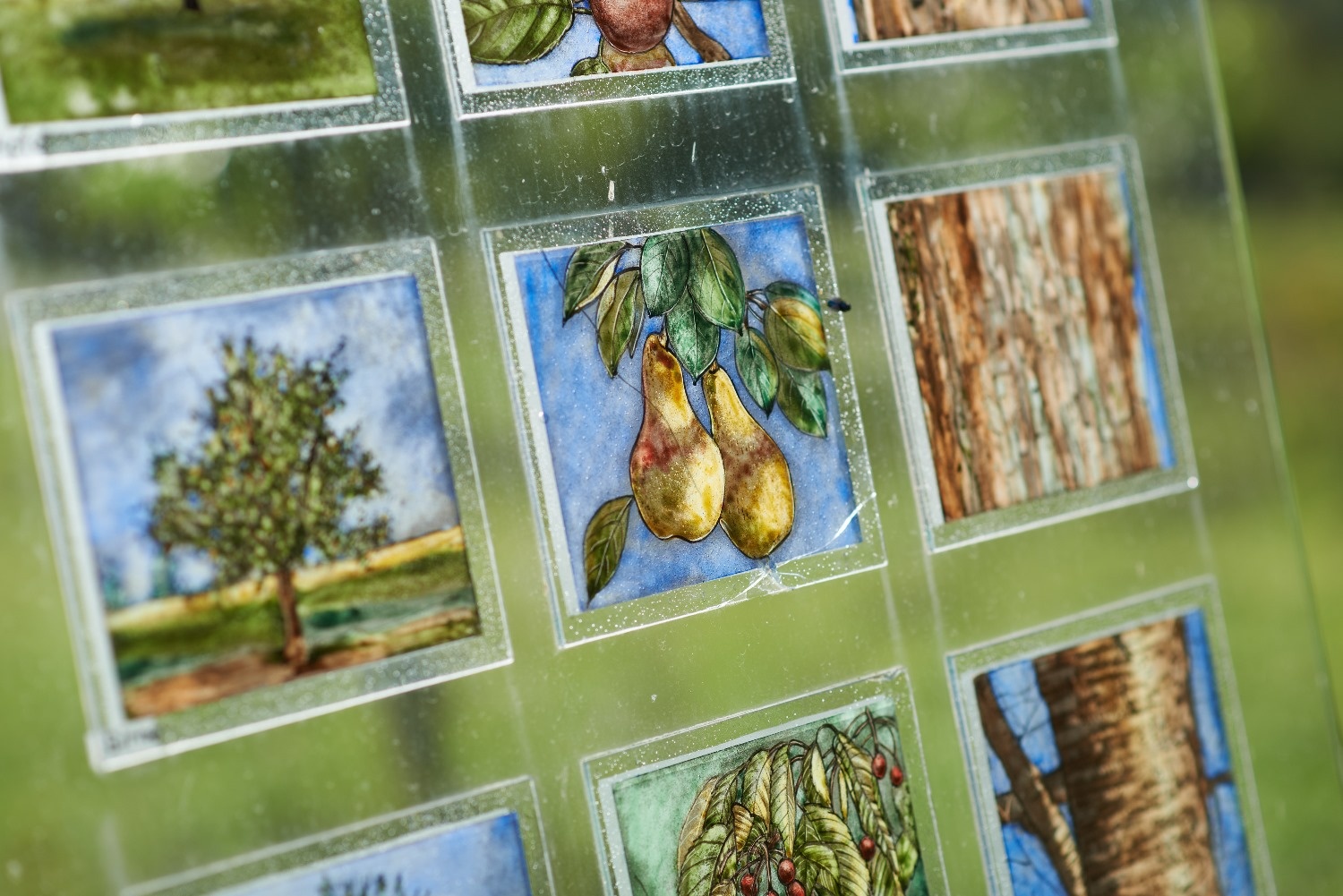
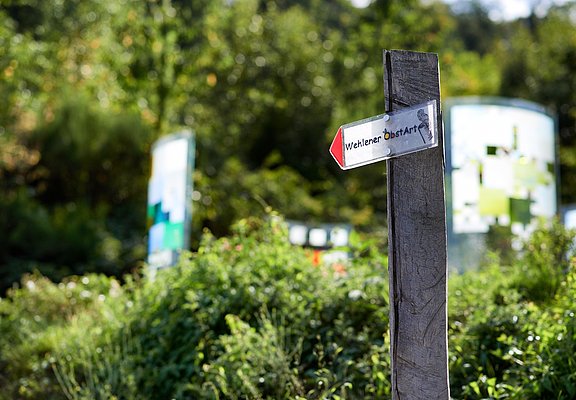
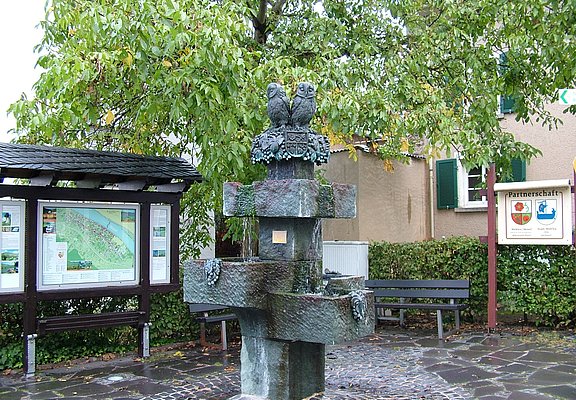
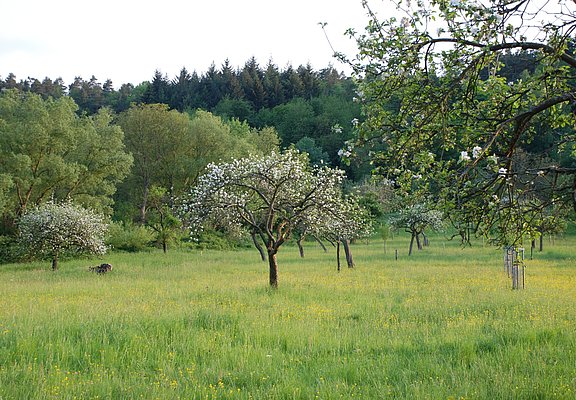
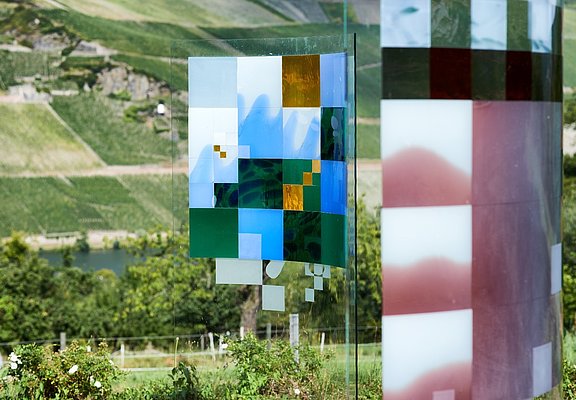
The Wehlener ObstArt Weg begins in the centre of the Wehlen district, near the owl fountain and the Catholic church, at the information board at Haus Kaspari. Leaving the Moselle bridge behind you, you walk along the original main street of Wehlen, which has become more traffic-calmed due to the new surroundings. At the end of this street you turn either into the street Thelengraben or the Feldstraße. Both roads lead to a bridge at their end over the new bypass, which crosses the new route. Follow the road "Thelengraben" with a right-left bend and leave the wine village of Wehlen towards woods and meadows at the information board Thelengraben. The path continues to the next left-hand bend at the so-called "Jahreszeitenenkreis" and turns into another path surrounded by orchards and woods. The circle of seasons consists of four almost man-high glass plates which are embedded vertically in the ground. The plates are painted with colours, colour gradients and colour intensities typical for the four seasons. The lower, transparent areas allow a view of the surrounding landscape. Stand in the slightly recessed centre of the circle and let the colours of the glass plates and the landscape take effect on you. Above the village of Wehlen along various meadows and with a constant view of the Moselle village and the vineyards opposite, the path continues along a forest path. Here you pass six more stations of the ObstArtWeg. From blossom to fruit, honey bees, landmarks as well as the cultivation of diversity are just some of the topics at these stations. In the next left-hand bend, the massive sculpture of an apple stands in the foreground. At the base of the flower is a bronze lid with four movable segments, under which the core of the fruit is visible. Shortly before you pass the bridge over the main road again, station 13 becomes visible. The theme of this station is the recognition of fruit trees on the basis of various factors. In the nature reserve "Streuobstwiesen bei Wehlen" there are many different kinds of fruit trees. For example, church trees are best recognized by their transversely ringed bark; plum trees by their steeply rising branches. The crown shape of most apple trees is round like an apple - that of most pear trees is oblong like a standing pear.Once again, one passes the bridge over the main road and walks through the Thelengraben or the Feldstraße back to the centre of the village. If you still have time, you should make a side trip to the banks of the Moselle. Stylish half-timbered houses, views of well-known vineyards and sundials as well as convivial benches for a rest invite you to take a break there.

Public transit

www.vrt-info.de, www.bahn.de

Bernkastel-Kues: Taxi Edringer: (0049) 6531 - 8149, Taxi Priwitzer: (0049) 6531 - 96970, Taxi Reitz:( 0049) 6531 - 6455

Nearest/primary stop: Wehlen Brückenstraße

Parking

Parking facilities in the village.

Getting there

From Bernkastel-Kues in the district Kues follow the L47 towards Koblenz until Wehlen.

Literature

WanderGuide - the hiking brochure in the Bernkastel-Kues holiday region. With description and map (only in German).

Equipment

Sturdy hiking boots and food if necessary.

Impressions

You might also be interested in